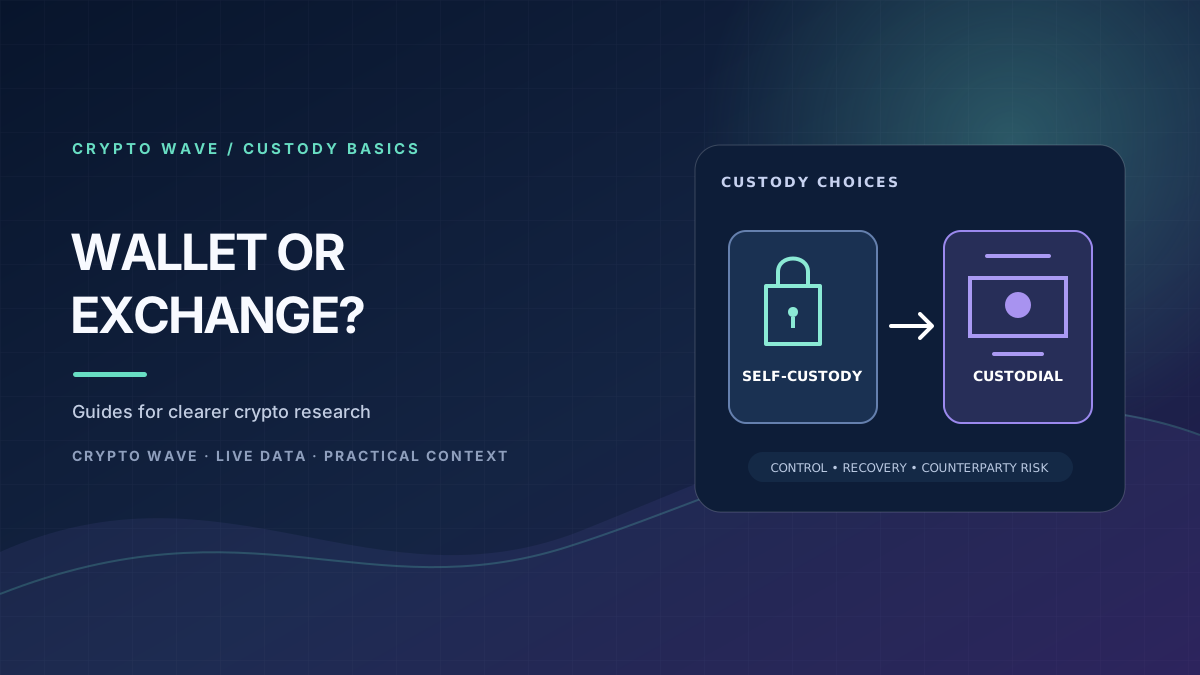
People searching “crypto wallet vs exchange” often mean: is it safe to leave crypto on an exchange, or should it be moved to a wallet? It depends on who controls access, how recovery works and what you need to do. An exchange account is convenient for trading and account support. A self-custody wallet gives you direct control over blockchain keys, with responsibility for protecting them. Neither option removes every risk.
The useful distinction is custody: who controls the keys and approves transfers? A platform may call its account balance a “wallet,” even when you do not control its private keys.
Crypto wallet vs exchange: what is the difference?
A self-custody wallet is software or a device that lets you control the private keys used to authorize blockchain transactions. The crypto is recorded by the network; the wallet manages keys and helps you view balances, sign and send transactions. If you hold the recovery phrase or keys, you must protect and back them up.
On a centralized exchange, you usually sign in with an account and password. The company manages custody and records the assets associated with your account. You request trades, deposits and withdrawals through its platform. See Ethereum.org’s explanation of wallets, keys and centralized exchanges for the on-chain distinction.
How exchange custody works
An exchange can make buying, selling and converting assets straightforward. It may offer account recovery, fraud monitoring, identity checks and a familiar support channel. You do not have to create a seed phrase before trading, and you can use services tied to the account. Services, withdrawal rules and protections vary by provider, product and country, so read the current customer agreement.
Convenience means depending on the platform to secure keys and process access requests. Account takeover, phishing, withdrawal holds, outages, policy changes or financial difficulties can interrupt access. If a company fails, customer recovery depends on applicable law, records, terms and the facts of the failure. Security features or reserve reports provide context, not a guarantee of access. The SEC’s crypto custody bulletin lists questions to ask a custodian.
How self-custody changes the responsibility
With self-custody, a wallet provider may supply an app or hardware device, but you control the keys and authorize on-chain transfers. This reduces dependence on an exchange for routine access and can let you use compatible blockchain applications directly. You also take on backup and security work. If the recovery phrase is lost or exposed, a provider generally cannot reset it like an exchange password.
Self-custody brings user-side risks too: fake downloads, malicious browser extensions, deceptive approvals, device compromise and address or network mistakes. A hardware device can isolate signing keys from a computer, but it cannot judge whether an approved transaction is legitimate. For setup and recovery, read our guide to choosing a crypto wallet and self-custody security checklist.
Is it safe to leave crypto on an exchange?
There is no universal yes-or-no answer. A limited exchange balance may suit someone who trades frequently and values account recovery. It still depends on account security, the exchange’s custody practices, policies, solvency and applicable law. A familiar name does not mean every product has the same safeguards.
Self-custody removes the exchange from approving your on-chain transactions, but transfers key, backup and device risks to you. A lost password and lost recovery phrase are different problems: an exchange may support a reset, while a self-custody wallet may have no central party able to restore access. Consider which failure you are prepared to handle instead of assuming one choice is always safer.
Withdrawals: check the network before you send
Moving crypto between an exchange and a self-custody wallet is usually an on-chain transaction. An asset may be offered over multiple networks, and the exchange and destination must support the same network and asset. Some deposits require a memo or tag as well as an address. Confirm current support, minimums, confirmations, fees and withdrawal holds on both services.
Before sending, compare the asset and network, confirm the address and any memo or tag, and check the fee and minimum. Verify the address on the wallet’s trusted screen, not only in a copied message. For an unfamiliar route, a small test can catch some setup mistakes, but costs a fee and cannot guarantee a larger transfer. Wait for the balance to appear before sending more. Many confirmed transactions cannot be reversed by a support request; recovery after an error depends on the network, destination and parties involved.
A custody and transfer checklist
- Identify who controls the keys for the balance you see.
- Read custody, withdrawal, recovery and failure terms.
- Use a unique password and strong sign-in options on exchange accounts.
- Follow the wallet’s official backup process; never share a recovery phrase.
- Confirm the asset, network, address, memo or tag, fee and minimum.
- Check deposit instructions and withdrawal holds just before transferring.
- For an unfamiliar destination, test a small transfer and wait for confirmation.
Can you use both an exchange and a wallet?
Yes. People often use an exchange for trading or conversion and a self-custody wallet for activities needing direct on-chain control. This matches tools to tasks; it does not guarantee safety. Decide what each account is for, keep only the amount needed for that purpose there, and practice recovery before relying on it. Avoid moving assets solely because a slogan says one custody type is always best.
Research providers in CryptoWave’s crypto exchange directory and wallet directory. Listings organize comparisons; they are not audits or endorsements. Verify current custody, network support, withdrawal terms and security details with the provider. This article is educational, not personalized financial or security advice.