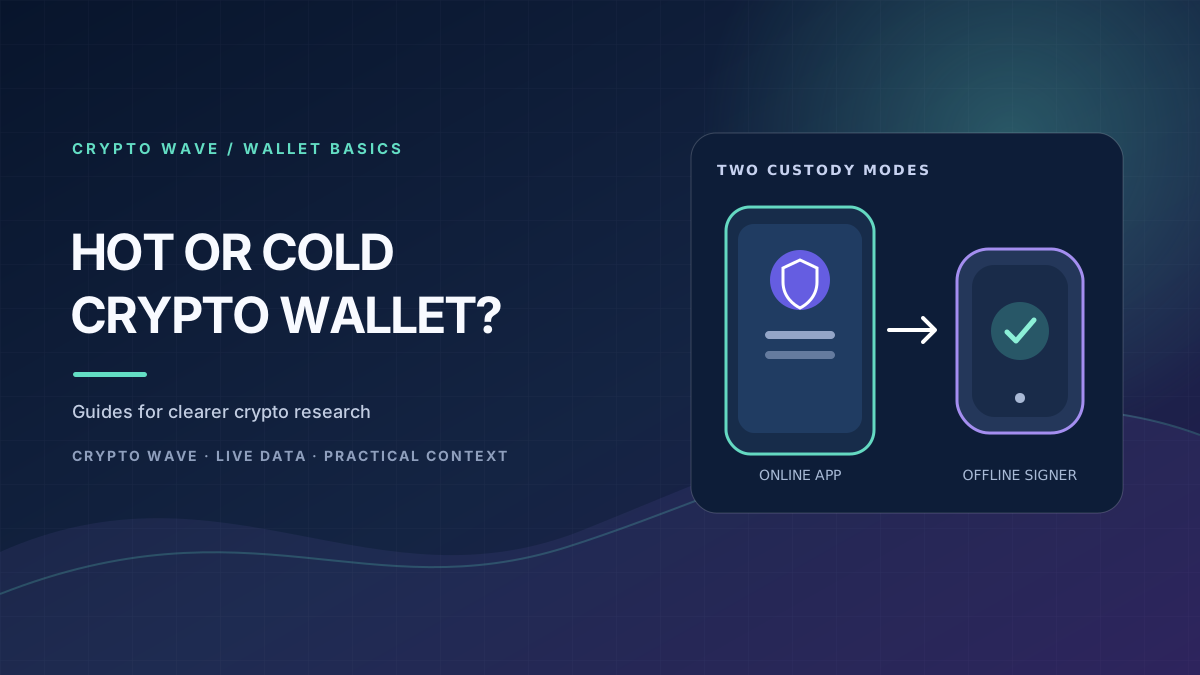
Choosing a crypto wallet often starts with one question: should you use a hot wallet or a cold wallet? The difference matters because each approach balances convenience and security differently. A hot wallet is connected to an internet-connected device, making it handy for regular transactions. A cold wallet keeps the keys used to authorize transactions offline, which can reduce exposure to some online threats.
Neither label guarantees safety, and the right choice depends on how often you transact, which networks and assets you use, and how confidently you can protect recovery information. This guide explains the hot wallet vs cold wallet difference and offers a practical way to decide. You can also browse CryptoWave’s crypto wallet directory to compare wallet types and supported features.
What is a hot wallet?
A hot wallet is software that manages crypto keys on a device connected to the internet. Common examples include mobile apps, desktop wallets, and browser wallets. The wallet can help you check balances, connect to decentralized applications, and prepare transactions without moving between devices.
That convenience can make a hot wallet suitable for smaller amounts you expect to use, such as funds for regular transfers or interacting with apps. But an internet-connected phone or computer can be exposed to risks such as malicious software, fake wallet apps, phishing pages, or a compromised browser. Protecting the device and carefully checking what you approve remain important.
What is a cold wallet?
A cold wallet keeps private keys offline. A hardware wallet is a common example: it holds keys in a dedicated device and can sign a transaction without exposing those keys to the connected computer. Other cold-storage approaches may involve offline signing on a computer that is kept disconnected from the network.
Cold storage can make remote theft harder, but it adds steps. You may need the device to authorize a transfer, and losing access to both the device and its recovery backup can make funds unrecoverable. A cold wallet also cannot determine whether a transaction is wise: if you approve a transaction that sends assets to the wrong address or grants unwanted permissions, offline key storage does not undo that decision.
Hot wallet vs cold wallet: key differences
| Consideration | Hot wallet | Cold wallet |
|---|---|---|
| Key environment | On an internet-connected device | Kept offline, often in a hardware device |
| Everyday convenience | Usually quick to access and transact | Usually requires an extra signing step |
| Main tradeoff | More exposure to online device and account threats | More responsibility for device handling and recovery backups |
| Common use | Frequent transactions and app interactions | Assets you do not expect to move often |
This comparison describes typical setups, not a guarantee about a particular product. Wallet designs differ, and a wallet’s custody model, supported networks, backup process, and transaction review screens all matter. Some people also use exchange accounts, where a service controls the keys on their behalf; that is different from personally controlling a self-custody wallet.
Which crypto wallet should I use?
Start with your intended use rather than the wallet label. If you make frequent payments or interact with applications, a hot wallet may be more practical for the amount you need available. If you rarely transact and want to reduce the time your keys spend on an online device, a cold-storage setup may fit better. Some users choose both: a hot wallet for routine activity and cold storage for assets they do not need to access often.
Think through the recovery process before putting assets into either kind. Can you restore access if your phone or hardware device is lost? Do you understand what information the wallet’s backup contains? Can you store that backup securely and access it later? A wallet that feels secure but has no recovery plan can create a different kind of risk.
Also check network and asset support. A wallet may support one network but not another, or require a separate account or app for certain assets. Before transferring a significant amount, verify the receiving address, network, and asset on both sides. If the wallet offers a small test transfer, it can help confirm that you have selected the intended destination before making a larger transaction.
Security practices for either wallet type
- Protect your recovery phrase. Anyone who obtains it may be able to access the wallet. Do not share it with support agents, websites, or people claiming they need it to fix an account.
- Use trusted software and updates. Download wallet software from the provider’s verified source, and keep your device and wallet software current.
- Review each transaction. Check the full destination address, network, amount, and any permissions a connected application requests.
- Plan for loss and recovery. Follow the wallet’s backup instructions and consider whether a trusted person should know how recovery works in an emergency.
- Be wary of urgency. Unexpected messages, “support” links, and urgent claims about wallet problems are common ways to pressure users into revealing secrets or approving a transaction.
Bitcoin.org’s wallet security guidance discusses backups, encryption, and offline storage. Ethereum.org’s security and scam-prevention guide explains recovery-phrase risks and why users should carefully review wallet activity.
A simple way to decide
Choose a hot wallet if quick access and regular app use are central to your needs, and you are prepared to secure the connected device. Consider cold storage if you expect to transact infrequently and can manage a device and recovery backup responsibly. If both patterns apply, separating routine-use funds from less frequently accessed holdings may make the workflow clearer.
For more detail, read our guides on how to choose a crypto wallet and the self-custody security checklist. Compare the available options in the CryptoWave wallet directory, then review each provider’s official documentation before setting one up.
Frequently asked questions
Is a cold wallet always safer than a hot wallet?
Cold storage reduces some online exposure because keys are kept offline, but it does not prevent every mistake or threat. Device loss, unsafe backups, deceptive transaction requests, and physical access can still matter. Security depends on the full setup and how it is used.
Can I use a hot and cold wallet at the same time?
Yes. Separate wallets can serve different purposes. Before transferring assets between them, confirm that the receiving wallet supports the asset and network you plan to use.
Is a hardware wallet the same as a cold wallet?
A hardware wallet is a common way to keep keys offline, but the terms are not identical. “Cold wallet” describes an offline key-storage approach; “hardware wallet” describes a device designed to manage keys and sign transactions.
This article is educational and does not provide individualized financial advice. Wallet features and supported networks can change; check the provider’s current documentation before use.